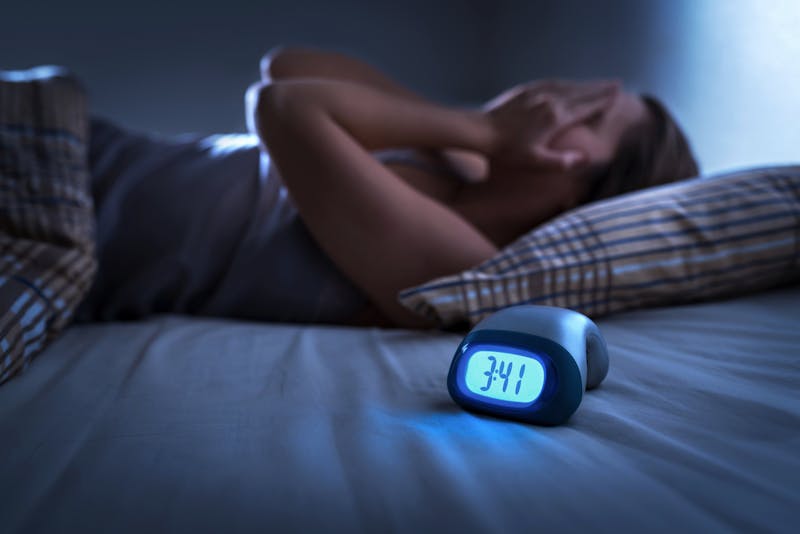
Pelvic pain that disrupts your nights can feel especially overwhelming, and for many people it signals an underlying issue that needs attention. At Pelvic Pain Doc, Dr. Sonia Bahlani, a fellowship-trained pelvic pain specialist with dual training in OB/GYN and urology, helps patients understand the sources of their symptoms so they can find clear direction and relief. In this blog, we will explore why pelvic pain may intensify at night, what your symptoms could be signaling, and how expert care from Dr. Bahlani can help you move toward meaningful relief.
Why Pelvic Pain Can Feel Worse at Night
Evening and nighttime discomfort can stem from several overlapping factors. As the body winds down, pain that was easier to ignore throughout a busy day may become more noticeable. Muscles fatigued from daily tension may tighten, digestive shifts may trigger discomfort, or pressure from a full bladder may worsen existing irritation. Recognizing how these sensations change during the evening can help uncover underlying contributors.
Common reasons pelvic pain worsens at night include:
- Pelvic floor dysfunction: When the muscles of the pelvic floor are tight, overactive, or unable to relax properly, they can spasm or ache more intensely at night.
- Bladder irritation: Conditions such as interstitial cystitis may lead to increased nighttime urgency or burning, disrupting sleep.
- Endometriosis: Inflammatory flare-ups, hormonal shifts, or scar tissue can make nighttime pain more prominent.
- Digestive triggers: Bowel activity, gas, or constipation may worsen discomfort when lying down.
- Nerve sensitivity: When nerves are irritated or compressed, symptoms such as burning, stabbing, or radiating pain may peak during quiet hours.
When Pelvic Pain Affects Your Sleep
Struggling to sleep because of pelvic pain can take a significant toll on your physical and emotional well-being. Disrupted rest can heighten inflammation, make pain feel more intense, and increase stress levels over time.
Sleep-disrupting symptoms may include aching, burning, stabbing sensations, pressure across the lower abdomen, or discomfort during or after bowel movements. For some individuals, ongoing pain contributes to anxiety or fatigue, making it even more challenging to achieve restorative rest. Understanding how these nighttime symptoms present can help illuminate what is driving your discomfort.
What Your Nighttime Symptoms May Be Signaling
Pelvic pain that strikes at night is not random. It can point to:
- Hormonal cycles: Shifts during the menstrual cycle may heighten sensitivity or inflammation.
- Musculoskeletal strain: Prolonged sitting, physical activity, or tension may create delayed-onset muscle discomfort.
- Bladder or urethral issues: Irritation from infections or chronic bladder conditions may intensify at night.
- Adhesions or scar tissue: Internal restrictions can create pulling or pressure sensations when resting.
- Chronic pelvic pain syndromes: Complex conditions involving multiple pelvic structures may reveal their patterns more clearly during nighttime quiet.
Understanding these patterns is only part of the solution. The next step is receiving a comprehensive evaluation from a pelvic pain specialist who can pinpoint what your body is signaling.
How Dr. Sonia Bahlani Can Help
At Pelvic Pain Doc, nighttime pelvic pain is addressed with both expertise and compassion. Dr. Sonia Bahlani uses her advanced, dual-specialty training in sexual and pelvic pain to identify the root cause of symptoms and design a treatment plan tailored to each patient. Her approach integrates medical therapies, procedural treatments, and lifestyle strategies to reduce inflammation, calm overactive muscles, and restore balance to the pelvic floor and surrounding structures.
Depending on your diagnosis, treatment may include:
BOTOX injections treatment: For muscle-related pelvic pain.
Trigger point injections treatment: To address localized muscular tension and spasms.
Preventative lifestyle guidance treatment: Including sleep, posture, and activity strategies.
Cystoscopy treatment: For identifying bladder-related sources of discomfort.
With a clearer understanding of your nighttime symptoms, you can take meaningful steps toward uninterrupted rest.
Begin Your Path Toward Better Nights
If pelvic pain is disrupting your sleep, now is the time to understand why and pursue targeted relief. At Pelvic Pain Doc in New York City, Dr. Bahlani combines world-class expertise, dual training in OB/GYN and urology, and a boutique, patient-focused approach to help individuals reclaim their nights and restore their quality of life. Schedule a consultation to begin your path toward calmer evenings and deeper rest.