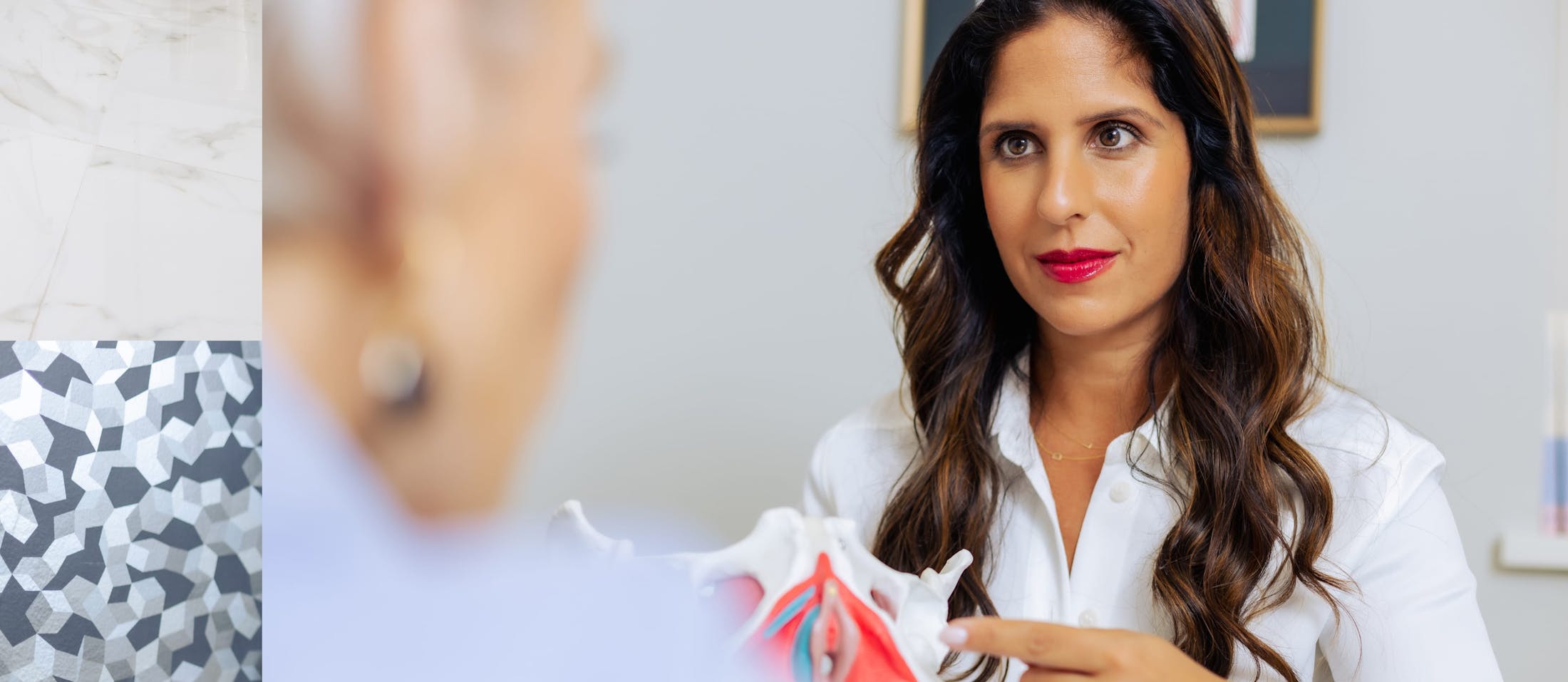
Menopause and Vulvodynia often overlap, heightening discomfort and confusion. Hormonal changes can affect vulvar tissue health, sometimes triggering or worsening pain. Dr. Sonia Bahlani, founder of The Pelvic Pain Doc in NYC, is fellowship-trained in urology and gynecology and specializes in diagnosing and treating pelvic pain with precision and compassion. Read on to learn how expert care can help restore lasting comfort and confidence.
Understanding Vulvodynia
Vulvodynia is chronic vulvar pain with no identifiable cause, often described as burning, stinging, or throbbing that lasts for three months or more. It can disrupt daily life, intimacy, and even simple activities like sitting or exercising.
While Vulvodynia can occur at any age, menopause may intensify symptoms as declining estrogen causes vaginal tissues to thin and dry, increasing sensitivity. Because the pain may stem from multiple factors, diagnosis and treatment by a pelvic pain specialist like Dr. Bahlani are essential.
How Menopause Influences Vulvodynia
During menopause, the decline in estrogen and progesterone alters the body’s tissue composition and nerve sensitivity. These changes can:
- Reduce tissue resilience: Thinner vaginal walls may become more prone to irritation and microtears
- Alter nerve function: Fluctuating hormones can heighten nerve sensitivity, worsening pain
- Impact pelvic floor muscles: Muscle tension and dysfunction often accompany hormonal changes, contributing to discomfort
- Affect vaginal flora: Hormonal shifts can disrupt the balance of bacteria in the vagina, increasing inflammation and vulnerability to infection
Not every woman with Vulvodynia will experience worsening symptoms during menopause. For many, however, the combination of hormonal and structural changes intensifies discomfort. A specialist’s insight can help identify the root causes and tailor the most effective path to relief.
Recognizing the Symptoms
The symptoms of Vulvodynia and menopause-related pelvic pain can overlap. Common complaints include:
- Persistent burning or rawness
- Pain during sexual activity
- Itching or swelling around the vulva
- Dryness or tightness
- Throbbing sensations in the pelvic region
Because these symptoms can mimic infections or dermatologic issues, an accurate, specialized diagnosis is essential to effective treatment. With dual training in urology and gynecology, Dr. Bahlani evaluates each case from multiple perspectives to uncover the true source of pain.
Effective Treatments and Relief Options
Once the underlying cause is identified, the focus shifts to tailored, evidence-based treatment. At Pelvic Pain Doc, Dr. Bahlani offers a range of therapies designed to address both Vulvodynia and menopausal pelvic pain. These may include:
- Topical therapies: Medications that reduce inflammation and improve tissue hydration
- Pelvic floor physical therapy: To relax tight muscles and restore healthy function
- BOTOX® injections: By relaxing hyperactive pelvic muscles and reducing nerve hypersensitivity, BOTOX can be a highly effective option for long-term pain relief
- Hormone therapy: Estrogen treatments that restore moisture, elasticity, and tissue health
- Lifestyle and mindfulness techniques: Including stress management, gentle movement, and sexual wellness education
Dr. Bahlani customizes each treatment plan to the individual, often combining medical and holistic methods to achieve optimal, lasting results.
Take the First Step Toward Relief
If you experience persistent vulvar or pelvic pain, it’s time to see a specialist. Many women endure months or even years of discomfort before finding answers, but you don’t have to. Under the expert care of Dr. Bahlani at The Pelvic Pain Doc in NYC, lasting relief and renewed confidence are possible. Fellowship-trained in sexual and pelvic health and dual-trained in urology and gynecology, Dr. Bahlani helps women move beyond pain with personalized, cutting-edge treatments rooted in empathy and science.
Schedule your consultation with Dr. Sonia Bahlani today and take the first step toward lasting pelvic comfort and renewed confidence.