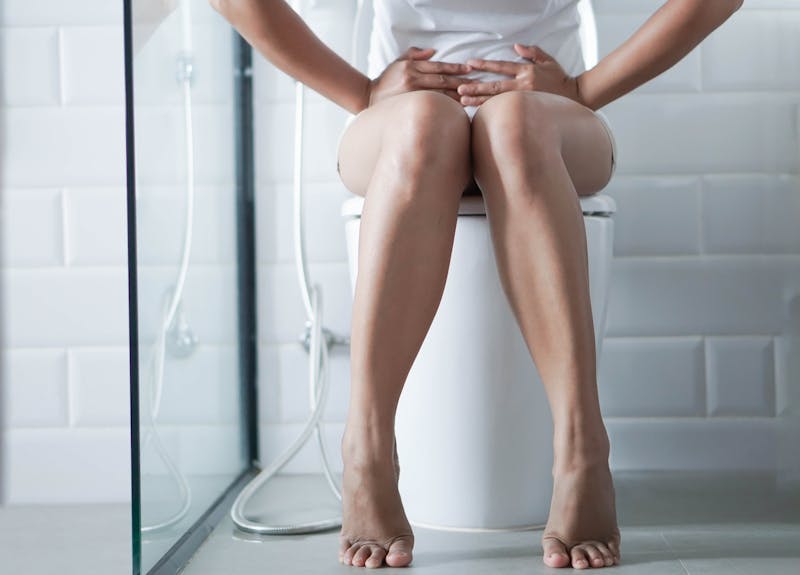
If you’ve been prescribed antibiotic after antibiotic for “recurrent UTIs” and the infections keep coming back, the problem may not just be the bacteria — it may actually be the diagnosis.
In my practice, many patients who come in for recurrent urinary tract infections have already completed multiple antibiotic courses. Some feel temporarily better. Others don’t. But the cycle continues. That’s when we step back and ask a more important question: Why is this happening in the first place?
True recurrent UTIs are defined as two infections within six months or three within a year. But not every episode of urinary urgency, burning, or pelvic pressure is caused by an infection — and not every infection is treated appropriately if the underlying mechanics of the bladder aren’t addressed.
Recurrent UTIs are often a symptom of something deeper, such as incomplete bladder emptying, pelvic floor dysfunction, hormonal changes, or chronic bladder inflammation. Simply repeating antibiotics without investigating these factors can prolong the cycle and, in some cases, make symptoms worse.
What I Look for When Evaluating Recurrent UTIs
When a patient presents with recurrent infections, my evaluation goes beyond confirming bacteria in the urine. I assess:
- How well the bladder is emptying
- Whether pelvic floor muscles are too tight or not coordinating properly
- Post-void residual urine volume
- Patterns of pain during urination or intercourse
- Hormonal influences that may be affecting vaginal and bladder health
- Whether symptoms correlate with culture-proven infection or represent bladder hypersensitivity
In many cases, what appears to be “another UTI” is actually pelvic floor muscle dysfunction or bladder inflammation that antibiotics will not fix.
Addressing these root contributors — whether through pelvic floor physical therapy, targeted muscle treatment, hormonal support, or further diagnostic evaluation — is often what finally breaks the cycle.
The Difference Between a Single UTI and Recurrent Infections
Understanding the distinction between an isolated urinary tract infection and a recurrent pattern is essential for proper treatment. Here's what sets them apart:
- Single UTI: A one-time infection that resolves completely with a standard course of antibiotics and doesn't return.
- Recurrent UTI: Defined as two infections within six months or three within one year.
- Reinfection vs. relapse: Reinfection occurs when a new bacterial strain enters the urinary tract, while relapse occurs when the same bacteria are not fully eliminated.
- Symptom patterns: Burning during urination, urgency, frequency, pelvic pressure, and cloudy or blood-tinged urine that keep returning.
- Impact on quality of life: Ongoing infections can lead to anxiety, disrupted daily life, and emotional exhaustion.
Hidden Culprits: What Really Causes UTIs to Return
Recurrent UTIs rarely happen without an underlying cause. Several factors can create an environment where bacteria thrive, including:
- Incomplete bladder emptying: Residual urine allows bacteria to grow.
- Pelvic floor muscle dysfunction: Tight muscles can obstruct urine flow.
- Hormonal changes: Lower estrogen levels can increase infection risk.
- Anatomical factors: Structural differences can allow easier bacterial entry.
- Sexual activity patterns: Can introduce bacteria into the urethra.
- Biofilm formation: Bacteria can form protective layers that resist antibiotics.
- Antibiotic resistance: Repeated use may reduce treatment effectiveness.
In my NYC practice, the most commonly overlooked contributor is pelvic floor dysfunction. Many patients have never had their pelvic muscles evaluated before being prescribed multiple antibiotic courses.
Why Standard Testing Isn’t Always Enough
Many patients are told their tests are negative despite symptoms. Traditional urine cultures have limitations, including:
- Limited detection: Some bacteria may not appear in standard cultures.
- Embedded bacteria: Hidden bacteria may not show in samples.
- Timing issues: Testing during or after antibiotics can affect results.
- Misdiagnosis: Conditions like interstitial cystitis can mimic UTIs.
- Overlooked muscle dysfunction: Pelvic floor issues can cause similar symptoms.
When symptoms persist, a deeper evaluation may include bladder function testing, pelvic floor assessment, or cystoscopy to better understand the root cause.
The Pelvic Floor Connection You Need to Know About
The pelvic floor plays a critical role in bladder function. Dysfunction may include:
- Hypertonic muscles: Tight muscles prevent full bladder emptying.
- Dysfunctional voiding: Improper relaxation during urination.
- Urinary retention: Residual urine promotes bacterial growth.
- Pain-tension cycle: Pain leads to muscle guarding, worsening symptoms.
- Sexual dysfunction overlap: Painful intercourse and increased UTI risk.
Addressing pelvic floor dysfunction through therapies like physical therapy, trigger point injections, or targeted treatments is often key to long-term relief.
When It’s Time to See a Pelvic Pain Specialist
- You’ve had two or more UTIs in six months
- Symptoms return after antibiotics
- Tests are negative but symptoms persist
- You feel unable to fully empty your bladder
- You experience pelvic pain or painful intercourse
Recurrent urinary symptoms are not something you have to live with. Identifying the true cause is essential.
Take Control of Your Urinary Health With Expert Care in NYC
If you’ve been caught in the cycle of recurrent UTIs and feel like you’re only receiving temporary fixes, a more comprehensive evaluation may be needed.
In my practice, the goal is not simply to treat another infection — it’s to understand why it keeps happening. This includes evaluating bladder function, pelvic floor dynamics, hormonal influences, and underlying inflammation.
Dr. Sonia Bahlani brings specialized training in urology, gynecology, and pelvic health to provide a comprehensive, patient-centered approach to care.
You don’t have to keep guessing. Schedule a consultation with Pelvic Pain Doc today to begin identifying the root cause of your symptoms and move toward lasting relief.