About clitoral adhesion removal

Clitoral adhesion removal is a non-surgical procedure involving topical numbing medication and stretching the clitoral hood to separate the adhesions. This procedure is typically done in-office and takes 30 to 60 minutes.

What are the benefits of clitoral adhesion removal?

The benefits of this procedure include the following:

  • Improved overall sexual satisfaction
  • Reduced physical symptoms associated with the condition
  • Alleviation of any psychological distress related to the condition

Ultimately, for women experiencing pain or discomfort due to clitoral adhesions, clitoral adhesion removal is an effective treatment option that can provide relief from their symptoms and improve overall sexual satisfaction.


What conditions can cause clitoral adhesion (phimosis)?

Several conditions can cause clitoral adhesion (phimosis), including inflammation due to infection or skin disorders such as:

  • Lichen sclerosus or lichen planus
  • Excessive use of certain types of personal hygiene products or lubricants
  • Injury or irritation to the area
  • Allergic reactions to latex condoms, spermicides, creams, and ointments
  • Hormonal changes
The legs of a table
Logo media

Patient Testimonial

Dr. Sonia Bahlani is an incredibly caring doctor who goes above & beyond for her patients. In this day and age where these types of doctors are close to none, her absolute genuine caring attitude and her knowledge and professional skills are what set her completely apart from others. Thanks for caring and finding the source of my issue.

B.N.

What is the procedure for clitoral adhesion removal?

Clitoral adhesion removal is a procedure to remove the excess tissue covering the clitoris. We can perform this non-surgical treatment option in-office at Pelvic Pain Doc in NYC. The process begins with applying an anesthetic to the top nerve of the clitoris, followed by the separation of the adhesions with a specialized medical tool. 

After, topical numbing medication and clitoral hood stretching separate the adhesions further. In some cases, surgical removal of clitoral adhesions, such as dorsal slit surgery or individualized vulvar medical treatment, may be required. Studies show that patients report increased satisfaction and decreased pain after this procedure.

Banner media

What to expect during clitoral adhesion removal?

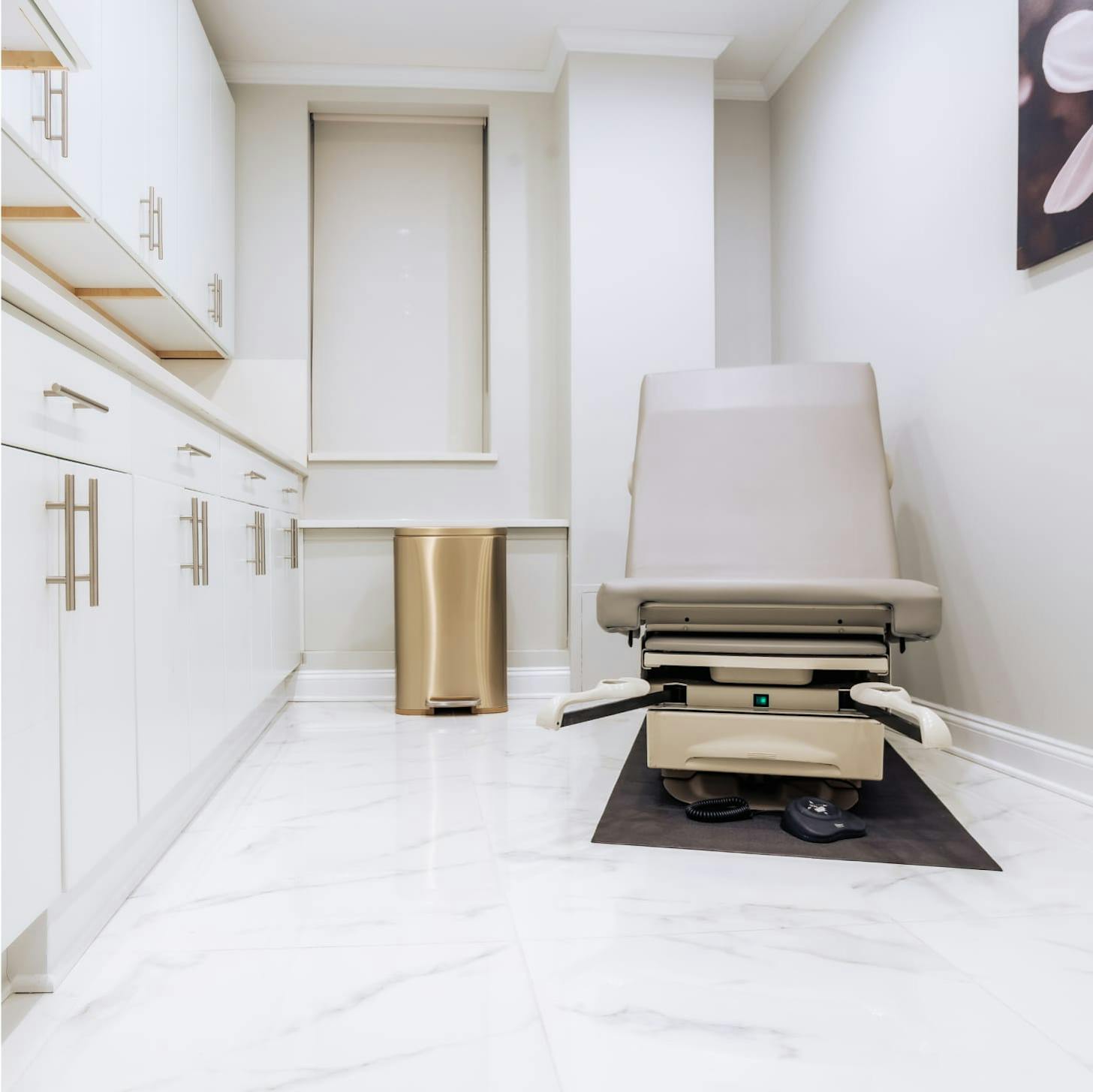
This treatment will be performed in a manner to ensure total patient comfort. You will rest comfortably during the procedure, requiring only about one hour to complete. Sometimes, the delicate, meticulous surgical removal of clitoral adhesions may be performed, called dorsal slit surgery. Specific Myofascial Release (SMR) is another effective treatment option for treating clitoral phimosis without surgery. SMR involves massage techniques to release muscle tension surrounding the clitoris, allowing it to move more freely and reducing pain. These treatments are performed at the private NYC offices of Pelvic Pain Doc.

Office media
Office media
Office media
Office media
Office media
Office media

Why choose Pelvic Pain Doc for your clitoral adhesion removal?

Dr. Sonia Bahlani is fellowship-trained in sexual health and pelvic floor disorders in New York, which sets her apart from many other doctors. Her highly specialized expertise draws patients who travel from across the US and internationally to seek her care. She is also board-eligible in urology and gynecology, bringing unique expertise to her practice. Through her experience and training, Dr. Bahlani provides comprehensive care and treatment plans that address a range of complex issues related to sexual and pelvic health. Contact us today to learn more about our discrete and compassionate options for clitoral adhesion removal.

Clitoral Adhesion Removal FAQs

What symptoms can clitoral adhesions cause?

Is it possible to have a consultation if I don’t live in NYC?

Is the treatment painful?

What is the recovery like after clitoral adhesion removal?

Will clitoral adhesions come back?

Can clitoral adhesions affect sexual pleasure or arousal?

Are there any risks associated with the procedure?

Who is a good candidate for clitoral adhesion removal?

What symptoms can clitoral adhesions cause?

Patients often report reduced sensitivity, pain during arousal or sexual activity, difficulty achieving orgasm, or chronic irritation in the clitoral area.

Is it possible to have a consultation if I don’t live in NYC?

Yes. To make the process easier, we offer virtual consultations for patients traveling from other states or abroad. This allows Dr. Bahlani to review your history and discuss a care plan before you make the trip.

Is the treatment painful?

Most patients describe the procedure as quick and well-tolerated. Topical or local numbing is applied to ensure comfort throughout.

What is the recovery like after clitoral adhesion removal?

Recovery is usually fast; mild soreness or swelling may last a few days. Patients can typically return to normal activities within a day, avoiding sexual activity for 1–2 weeks as healing completes.

Will clitoral adhesions come back?

Recurrence is uncommon when the area is properly cared for after treatment. Dr. Bahlani provides post-procedure guidance, including hygiene and lubrication practices, to help prevent recurrence.

Can clitoral adhesions affect sexual pleasure or arousal?

Yes. Adhesions can restrict the clitoral hood and limit stimulation, leading to diminished pleasure or painful arousal. Removing the adhesion can significantly improve sensitivity and sexual wellness.

Are there any risks associated with the procedure?

Risks are rare but may include minor bleeding or temporary tenderness. The procedure is minimally invasive and performed with expert precision to ensure safety and comfort.

Who is a good candidate for clitoral adhesion removal?

You may be a candidate if you experience pain, reduced sensation, or difficulty with sexual arousal related to clitoral adhesions. A gentle evaluation can confirm whether this treatment is right for you.

Contact us media
Accessibility: If you are vision-impaired or have some other impairment covered by the Americans with Disabilities Act or a similar law, and you wish to discuss potential accommodations related to using this website, please contact our Accessibility Manager at (212) 634-9533.
Contact Us