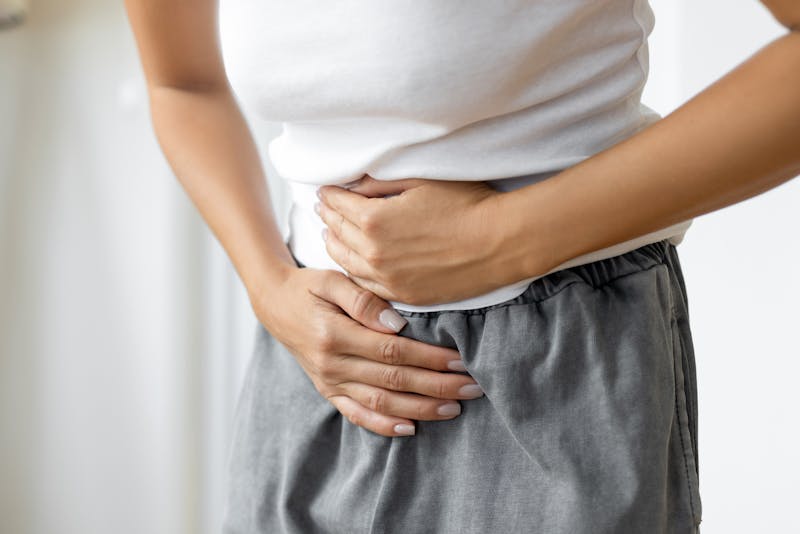
For many women, treating uterine fibroids brings significant relief from symptoms such as heavy bleeding, pelvic pressure, frequent urination, and fertility challenges. However, one of the most common questions patients ask after treatment is whether fibroids can return.
The answer depends on the type of treatment performed, your age, hormonal environment, and individual risk factors. Understanding the possibility of recurrence, the risks associated with different procedures, and realistic recovery expectations can help you make informed decisions about your care.
At Pelvic Pain Doc NYC, Dr. Sonia Bahlani helps patients understand their treatment options and develop personalized plans designed to support long-term pelvic health and symptom relief.
Can Uterine Fibroids Grow Back After Treatment?
Yes, uterine fibroids can return after certain treatments.
However, it's important to understand what "recurrence" actually means. In most cases, recurrence does not mean the same fibroid grows back. Instead, new fibroids develop because the underlying hormonal and genetic factors that caused fibroids in the first place are still present.
This is especially true after procedures that preserve the uterus, such as myomectomy.
Treatments With Potential for Recurrence
Procedures that remove or shrink fibroids while preserving the uterus include:
- Hysteroscopic myomectomy
- Laparoscopic myomectomy
- Open abdominal myomectomy
- Uterine fibroid embolization (UFE)
These treatments can provide excellent symptom relief, but they do not eliminate the possibility of future fibroid development.
Treatments That Eliminate Recurrence
A hysterectomy removes the uterus entirely, making fibroid recurrence impossible because there is no uterine tissue remaining where new fibroids can form.
For women who have completed childbearing and experience severe symptoms, hysterectomy may be discussed as one treatment option.
Does UFE Have Lower Recurrence Rates?
Many studies suggest that uterine fibroid embolization (UFE) may have lower long-term recurrence and reintervention rates compared to some forms of myomectomy because it treats multiple fibroids simultaneously and targets their blood supply rather than removing only visible growths.
However, the most appropriate treatment depends on fertility goals, symptom severity, fibroid location, and overall health.
Fibroid Recurrence Rates: What the Research Shows
Research has provided valuable insight into how often fibroids return following treatment.
A long-term study evaluating laparoscopic myomectomy found cumulative recurrence rates of approximately:
| Time After Surgery | Recurrence Rate |
|---|---|
| 24 Months | 4.9% |
| 60 Months | 21.4% |
Overall, studies estimate that approximately 15% to 33% of women who undergo myomectomy will eventually experience fibroid recurrence.
Research has also shown that nearly 19% of patients may require another fibroid-related intervention within five years following abdominal myomectomy.
Factors That Increase Recurrence Risk
Several factors can make recurrence more likely:
Younger Age at Surgery
Women under age 40 generally have more years of estrogen exposure remaining, increasing the opportunity for new fibroids to develop.
Multiple Fibroids at Diagnosis
Patients who have numerous fibroids at the time of surgery are more likely to develop additional fibroids later.
Enlarged Uterus
A significantly enlarged uterus may indicate a greater tendency toward fibroid formation.
Residual Microscopic Fibroids
Very small fibroids may not be visible during surgery and can continue growing over time.
Does Recurrence Mean Symptoms Will Return?
Not necessarily.
Some women develop small recurrent fibroids that never cause symptoms or require treatment. Others may experience symptom recurrence years later and choose additional monitoring or intervention.
Risks and Side Effects of Uterine Fibroid Surgery
Every medical procedure carries potential risks. Understanding these risks can help patients make informed decisions and prepare for recovery.
Risks of Myomectomy
Myomectomy preserves the uterus while removing fibroids.
Potential risks include:
- Bleeding during surgery
- Blood transfusion requirements
- Infection
- Scar tissue formation (adhesions)
- Injury to nearby organs
- Future fibroid recurrence
Scar tissue can occasionally contribute to fertility challenges or pelvic discomfort following surgery.
Risks of Hysterectomy
Because hysterectomy is a more extensive procedure, recovery and complication risks may be greater.
Potential risks include:
- Blood loss
- Infection
- Blood clots
- Injury to surrounding organs
- Pelvic floor prolapse
- Intestinal obstruction
- Longer recovery times
Large population studies have found higher rates of blood transfusion and pelvic floor prolapse following hysterectomy when compared to UFE.
Risks of Uterine Fibroid Embolization (UFE)
UFE is generally considered minimally invasive and avoids surgical incisions.
Potential side effects may include:
- Pelvic cramping
- Temporary pain after treatment
- Nausea
- Fatigue
- Mild fever
- Vaginal discharge during recovery
Most symptoms improve significantly within the first several days following treatment.
How Long Does Recovery Take After Fibroid Treatment?
Recovery varies based on the type of procedure performed.
Understanding expected timelines can help patients plan for work, childcare responsibilities, exercise, and daily activities.
Uterine Fibroid Embolization (UFE)
UFE is typically performed as an outpatient procedure.
Most patients:
- Return home the same day
- Resume light activity within several days
- Return to normal activities within 1–2 weeks
One important consideration is that fibroids do not disappear immediately after UFE. Instead, they gradually shrink over six to nine months or longer.
Hysteroscopic Myomectomy
Because no abdominal incisions are required, recovery is often relatively quick.
Most patients can expect:
- Same-day discharge
- Return to routine activities within 1–2 weeks
Laparoscopic Myomectomy
This minimally invasive procedure uses small abdominal incisions.
Recovery typically includes:
- Several days of reduced activity
- Return to work within 2–4 weeks
- Progressive improvement in energy and comfort
Open Myomectomy
Open abdominal surgery requires a larger incision and longer healing time.
Most patients require:
- Four to six weeks of recovery
- Activity restrictions during healing
Hysterectomy
Recovery depends on whether the procedure is performed vaginally, laparoscopically, or through an abdominal incision.
Many patients need:
- Four to eight weeks for full recovery
- Temporary lifting restrictions
- Gradual return to exercise
Long-Term Monitoring and Preventing Fibroid Recurrence in NYC
While no strategy can completely guarantee that fibroids will never return, long-term management may help reduce recurrence risk and identify new growths early.
Follow-Up Imaging
Periodic ultrasounds or other imaging studies may be recommended based on your history and symptoms.
Monitoring helps identify:
- New fibroid growth
- Changes in existing fibroids
- Potential causes of symptom recurrence
Track Symptoms Over Time
Patients should monitor for:
- Increasing menstrual bleeding
- Pelvic pressure
- Urinary frequency
- Fertility concerns
- Abdominal enlargement
Even subtle symptom changes may warrant evaluation.
Support Hormonal Health
Because fibroids are hormone-responsive growths, managing factors that influence estrogen levels may be beneficial.
Strategies may include:
- Maintaining a healthy weight
- Regular physical activity
- Managing chronic inflammation
- Following a nutrient-rich diet
Maintain Ongoing Specialist Care
Patients with a history of fibroids often benefit from periodic evaluations with a pelvic health specialist who can assess symptoms, review imaging, and recommend appropriate next steps if concerns arise.
When Should You See a Specialist?
If you've previously undergone fibroid treatment and notice symptoms returning, it's important not to assume everything is normal.
Recurring heavy bleeding, pelvic pressure, urinary symptoms, or fertility concerns may indicate the development of new fibroids or another pelvic health condition that requires evaluation.
At Pelvic Pain Doc NYC, Dr. Sonia Bahlani provides comprehensive assessment and individualized treatment planning for women experiencing fibroids, pelvic pain, and other complex gynecologic conditions.
Schedule a Consultation With Dr. Sonia Bahlani
Understanding your personal risk for fibroid recurrence can help you make informed decisions about treatment and long-term management.
If you are experiencing recurrent symptoms or would like to discuss your fibroid treatment options, contact Dr. Sonia Bahlani at Pelvic Pain Doc NYC to schedule a personalized evaluation and learn more about fibroid treatment options at Pelvic Pain Doc NYC.
For additional guidance, you may also enjoy reading 7 Things to Know When Living With Uterine Fibroids and other educational resources available through our practice.